A Rare-Looking Fruit
Pepino fruits develop smooth skin with creamy-yellow coloring and distinctive purple markings. Purple selections can show stronger purple tones, creating real ornamental appeal.
Garden Lovers’ Welcome!
10% OFF | Code:A10
Secure Pay ✅ Trackable Delivery ✅ Refund Available
Garden Lovers’ Welcome!
10% OFF | Code:A10
Secure Pay ✅ Trackable Delivery ✅ Refund Available
Garden Lovers’ Welcome!
10% OFF | Code:A10
Secure Pay ✅ Trackable Delivery ✅ Refund Available
Garden Lovers’ Welcome!
10% OFF | Code:A10
Secure Pay ✅ Trackable Delivery ✅ Refund Available
Garden Lovers’ Welcome!
10% OFF | Code:A10
Secure Pay ✅ Trackable Delivery ✅ Refund Available
Garden Lovers’ Welcome!
10% OFF | Code:A10
Secure Pay ✅ Trackable Delivery ✅ Refund Available
Garden Lovers’ Welcome!
10% OFF | Code:A10
Secure Pay ✅ Trackable Delivery ✅ Refund Available
Garden Lovers’ Welcome!
10% OFF | Code:A10
Secure Pay ✅ Trackable Delivery ✅ Refund Available
Garden Lovers’ Welcome!
10% OFF | Code:A10
Secure Pay ✅ Trackable Delivery ✅ Refund Available
Garden Lovers’ Welcome!
10% OFF | Code:A10
Secure Pay ✅ Trackable Delivery ✅ Refund Available
Garden Lovers’ Welcome!
10% OFF | Code:A10
Secure Pay ✅ Trackable Delivery ✅ Refund Available
Garden Lovers’ Welcome!
10% OFF | Code:A10
Secure Pay ✅ Trackable Delivery ✅ Refund Available
Spend $49 more to get FREE shipping!


Couldn't load pickup availability


-
Ordered
- - -
Order Ready
- - -
Delivered


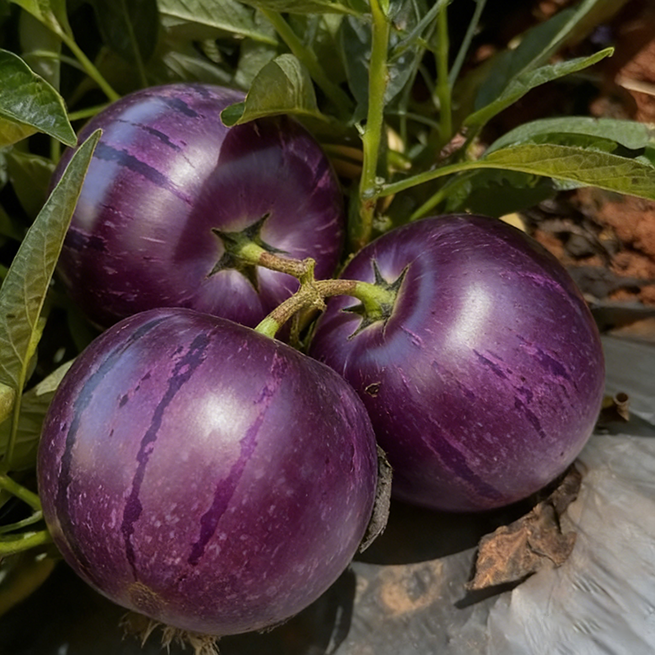
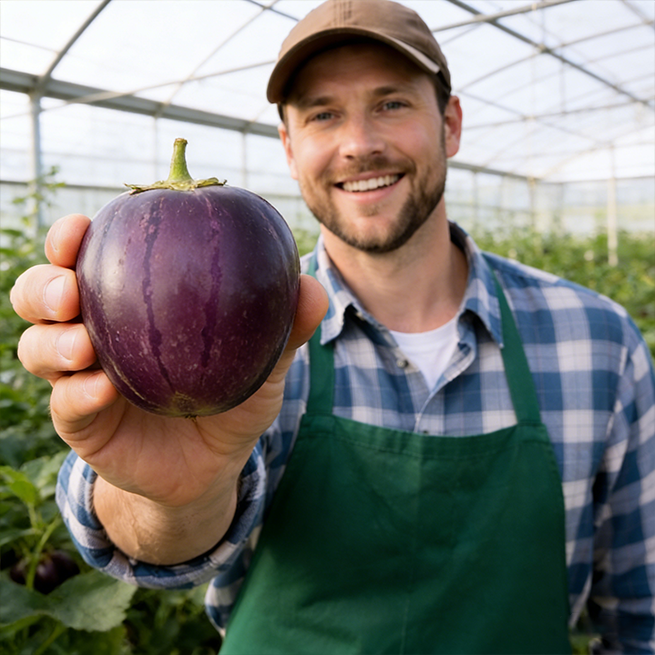
Purple Pepino Seeds · Solanum muricatum
Purple Pepino, also called Pepino Dulce or Melon Pear, combines an unusual purple-striped fruit with a compact, bushy plant that can fit into a sunny garden, greenhouse, or large patio container.
When fully ripe, the fruit is valued for its mild, refreshing melon-like sweetness and smooth, juicy flesh.
For gardeners who are tired of growing the same thing every year
A good edible garden does not need to be filled only with tomatoes, strawberries and peppers. Purple Pepino gives you something more unusual: attractive foliage, purple-and-white flowers, and smooth fruit that develops creamy coloring with purple striping as it ripens.
Grow something useful to eat — and interesting enough to show every visitor.Why Purple Pepino earns a place in the garden
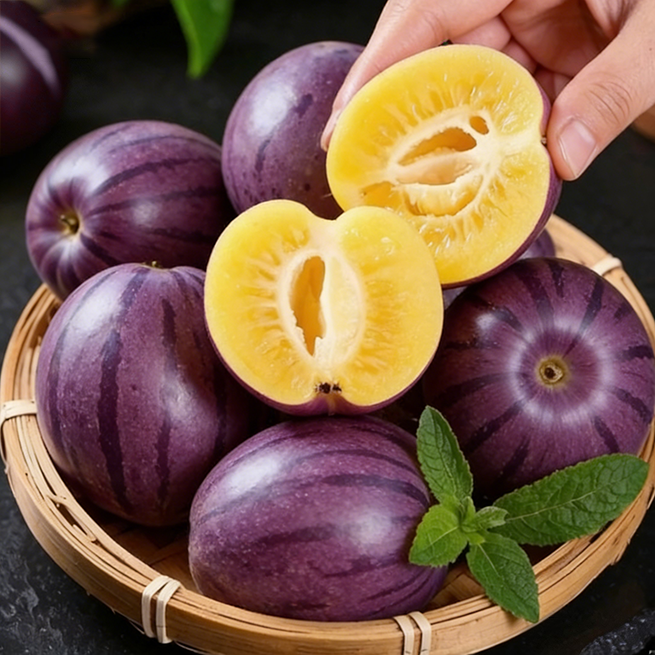
Pepino fruits develop smooth skin with creamy-yellow coloring and distinctive purple markings. Purple selections can show stronger purple tones, creating real ornamental appeal.
Pepino grows as a bushy tender perennial rather than a large orchard tree, which makes it much easier to work into smaller edible gardens.
Gardeners in cooler climates can grow Pepino in a large container and move it into a protected space when cold weather approaches.
Purple-and-white flowers and striped fruits make the plant attractive even before harvest, giving it more garden value than a plain utility crop.
Flat, easy-to-read garden benefits
Fully ripe Pepino is commonly enjoyed fresh for its mild, sweet, melon-like flavor and juicy texture.
A large container gives gardeners with limited ground space another way to grow an unusual fruiting plant.
The bushy habit helps it fit into mixed edible beds, greenhouse corners, and warm sheltered spaces.
The purple striping makes ripe fruit look unusual enough to become a genuine conversation plant.
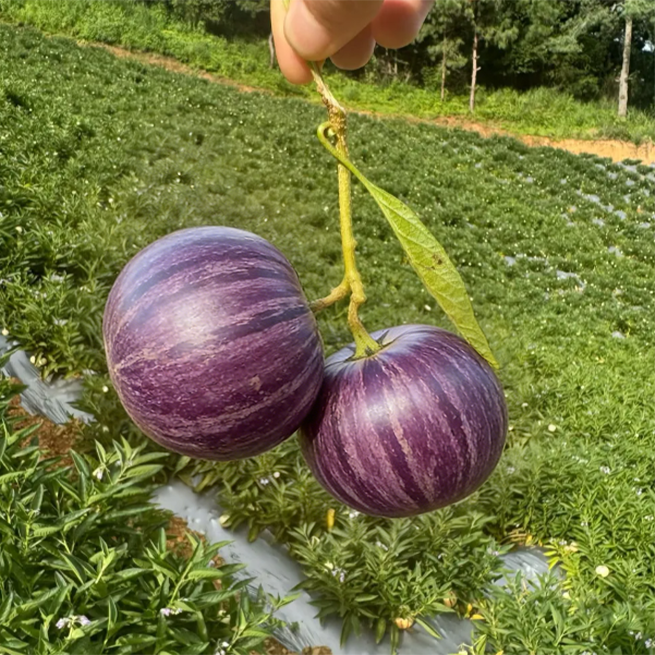
What does Pepino taste like?
Pepino is often described as sweet and melon-like rather than intensely sugary. The flesh is pale, smooth and juicy, which makes it especially pleasant served chilled.
Flavor, sweetness, fruit size and skin color naturally vary with genetics, ripeness, sunlight, temperature and growing conditions.
The gardener’s problem this solves
Purple Pepino is appealing because it gives a home gardener an exotic fruiting project without requiring the scale of a permanent orchard.
Plan the right fruit for your space
Simple growing rhythm
Pepino is a tender member of the nightshade family. Give seedlings warmth, then move plants into a sunny, sheltered position once cold weather is no longer a risk.
Sow seeds in a warm, bright place and keep the seed-starting mix evenly moist while germination and early growth begin.
Move established seedlings outdoors only after frost danger has passed and conditions are reliably mild.
A bright, sheltered location supports stronger growth and fruit development. In very hot climates, some afternoon protection can reduce stress.
Keep soil moist but well drained. Avoid letting the root zone stay permanently waterlogged.
Pepino is frost tender. Gardeners in cool climates often treat it as a warm-season crop or grow it in containers / protected structures so the plant can be sheltered.
Care at a glance
Full sun is ideal in mild conditions. Choose a sheltered position with good light for best fruiting potential.
Keep the soil consistently moist during active growth while maintaining good drainage around the roots.
Fertile loam or a quality container mix that retains moisture but drains freely suits Pepino well.
Pepino is a tender perennial and should be protected from frost and prolonged cold.
Where Purple Pepino fits best
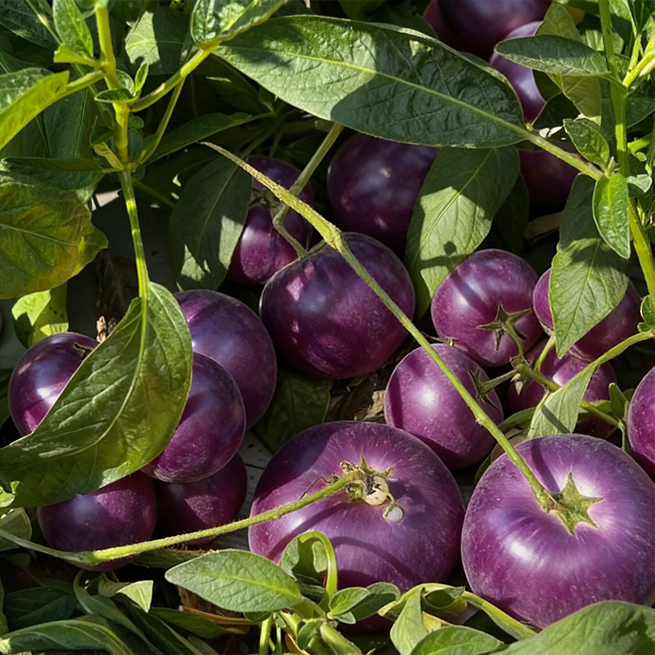
A practical option for smaller gardens and climates where winter protection is needed.
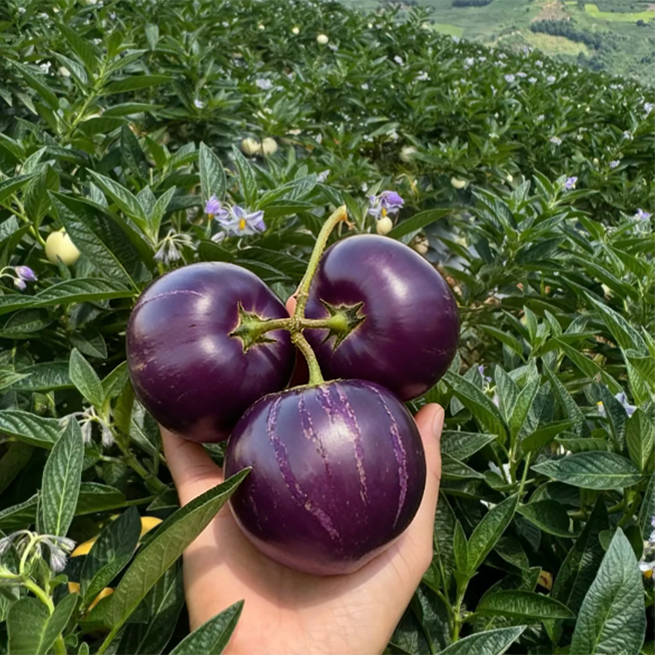
Mix it with tomatoes, peppers, herbs and other warm-season garden plants.
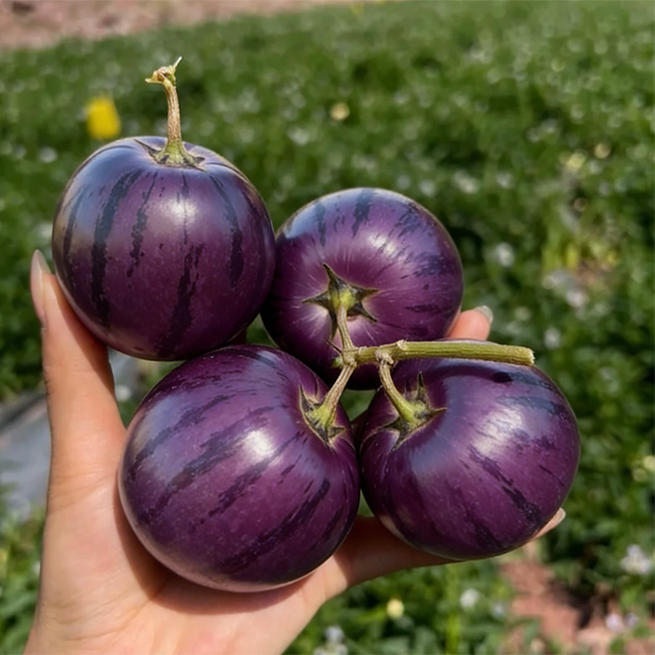
A protected bright space can help extend the season where outdoor conditions are cool.
Common questions
Pepino, botanically Solanum muricatum, is a bushy tender perennial in the nightshade family. It is also commonly called Pepino Dulce or Melon Pear. It produces smooth, fleshy fruit with purple markings as it ripens.
Fully ripe Pepino is generally mild, juicy and sweet with a melon-like character. Flavor varies with ripeness, temperature, sunlight and growing conditions.
A bright, sunny and sheltered position is recommended for fruit production. In exceptionally hot climates, light afternoon protection can help reduce heat stress.
Yes. Use a generous container with drainage holes and fertile, moisture-retentive but well-drained potting mix. Container growing is particularly useful where the plant needs winter protection.
Pepino is frost tender. Whether it can remain outdoors depends on your climate. In colder regions, grow it as a warm-season plant or move container plants into a protected frost-free space.
Fruit generally becomes paler or creamy-yellow with more visible purple markings as it ripens. Use color, aroma and slight softening together rather than relying on one sign alone.
Seed-grown fruit plants naturally show some variation. Fruit size, shape, striping and purple intensity can differ from plant to plant and are also affected by light, temperature and ripeness.
A rare fruit is more rewarding when you grow it yourself
Start Purple Pepino from seed and enjoy the entire process: unusual flowers, purple-striped fruit, a fresh home-grown harvest, and the satisfaction of growing something genuinely different.
Choose Your Purple Pepino Seeds ↑